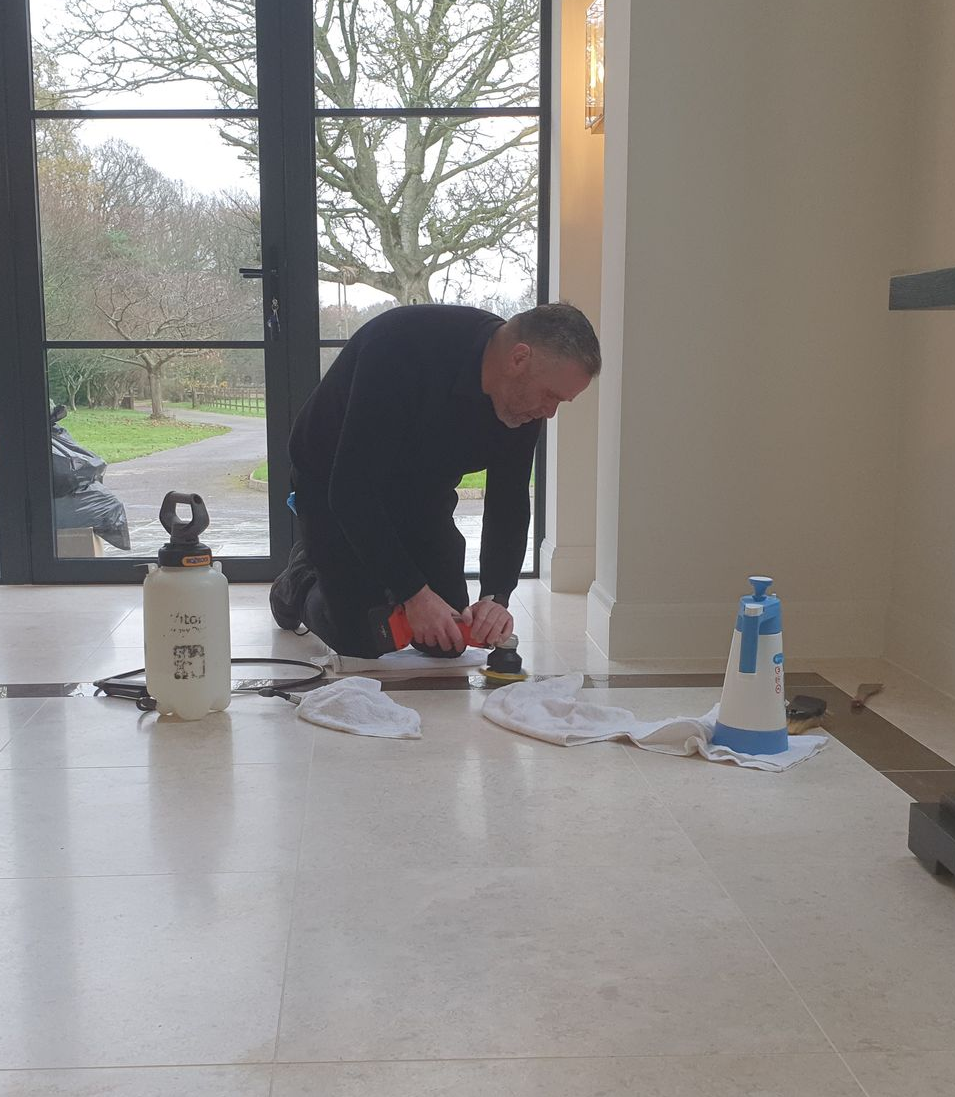
Terracotta & Saltillo, the ultimate care
This page is dedicated to Terracotta and Saltillo itself including how we clean & restore, what we do not do.
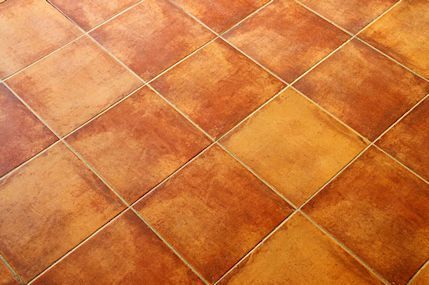
From Earth to Your Home: The Journey of Terracotta Floors
Terracotta is one of the oldest and most distinctive flooring materials in the world. Used in everything from ancient structures to traditional farmhouses, Mediterranean villas, and rustic cottages, it brings warmth, charm, and a timeless handmade feel. Its heritage stretches across continents — from the Mediterranean regions of Spain to the artisan clay workshops of Mexico, where some of the most iconic Terracotta tiles, including
Saltillo, originate.
But how does this remarkable material travel from the earth beneath your feet to the floor in your home?
Let’s explore its journey.
Natural Clay Origins
Terracotta starts with natural clay sourced directly from the ground. Mineral content, especially iron oxide, determines its warm red, orange, or honey tones.
In places like
Spain and Mexico, where the clay is particularly rich and vibrant, Terracotta tiles have a deeper, more intense colour palette.
What is Saltillo?
Saltillo (pronounced sal-TEE-yo) is a famous type of Terracotta originating from
Saltillo, Coahuila in northern Mexico.
It is made from the region’s naturally iron-rich clay and is known for:
- Warm, sun-baked shades of amber, red, and burnt orange
- A highly porous structure
- A distinctly handmade appearance, often with irregular shapes, textured edges, and natural colour variation
- A rustic, artisan look that suits Mediterranean, Mexican, Spanish Colonial, and farmhouse-style interiors
Saltillo tiles are traditionally sun-dried before being kiln-fired, which contributes to their unique patterns and variation. Because they are extremely porous, they require thorough professional sealing and ongoing care — something we specialise in at Hampshire Hard Floor Care.
Preparing and Shaping the Clay
Once the clay is collected and prepared, it is shaped into tiles.
Handmade Terracotta
This is where Spanish and Mexican craftsmanship truly shines.
Handmade Terracotta — including Saltillo — is formed by pressing clay into wooden moulds or shaping it by hand. Each tile has its own identity, with subtle differences in thickness, texture, and colour.
Machine-Formed Terracotta
Modern production techniques create more uniform tiles, though they still retain the warmth and character of natural clay.
Handmade Terracotta remains the preferred choice for heritage homes, Mediterranean themes, and rustic interiors due to its authenticity and charm.
Drying and Firing
Before firing, tiles are left to air-dry thoroughly.
Saltillo tiles, in particular, are still traditionally sun-dried outdoors, which can create:
- Unique mottling
- Organic tonal variation
- Textured, rustic edges
After drying, all Terracotta tiles are fired in kilns. Terracotta is fired at lower temperatures than quarry tile or porcelain, giving it:
- A naturally porous body
- Its warm, earthy appearance
- Excellent breathability
- A soft, handcrafted finish
This porosity means Terracotta — especially Saltillo — must be professionally sealed to protect against moisture, staining, and wear.
Finishing Styles
Terracotta can be finished in several ways:
- Natural / Unglazed:
Traditional, matt, and rustic — perfect for historic and Mediterranean-style interiors. - Handmade Terracotta:
Full of natural variation and authentic imperfections. - Saltillo Finish:
A hallmark of Mexican-style flooring, featuring rich colour blends, irregular edges, and a true artisanal appearance. - Enhanced or Antique Finishes:
Applied after cleaning or restoration to deepen colour and highlight the natural clay tones.
Installing Terracotta Floors
Terracotta tiles are laid on a prepared subfloor using suitable adhesive and grout.
Handmade and Saltillo tiles often vary slightly in thickness, meaning careful installation is essential.
Once laid, Terracotta must be sealed. Because of their high porosity, Saltillo tiles require multiple coats of a professional impregnating sealer to stabilise and protect the clay.
Caring for Terracotta and Saltillo Floors
Terracotta floors, including Saltillo, need the right care to stay looking their best:
- Regular vacuuming or dust-mopping removes grit from the textured surface.
- Damp mopping with a pH-neutral cleaner helps maintain clarity without affecting the sealer.
- Spills — especially oils — should be wiped promptly.
- Periodic professional maintenance cleans deep into the pores and refreshes the protective sealer.
Saltillo’s beautiful handmade character makes it particularly rewarding — but it also requires correct maintenance for long-term durability.
Restoring Terracotta Floors in Hampshire
At Hampshire Hard Floor Care, we restore Terracotta floors across cottages, barn conversions, Victorian homes, farmhouses, and modern rustic properties throughout Hampshire. We also frequently work with imported Spanish and Mexican Terracotta, including genuine Saltillo tiles.
Our restoration process includes:
- Deep cleaning and controlled chemical treatment
- Stripping old coatings
- Rinsing and neutralising
- Professional impregnating sealers
- Optional enhancement or antique finishes
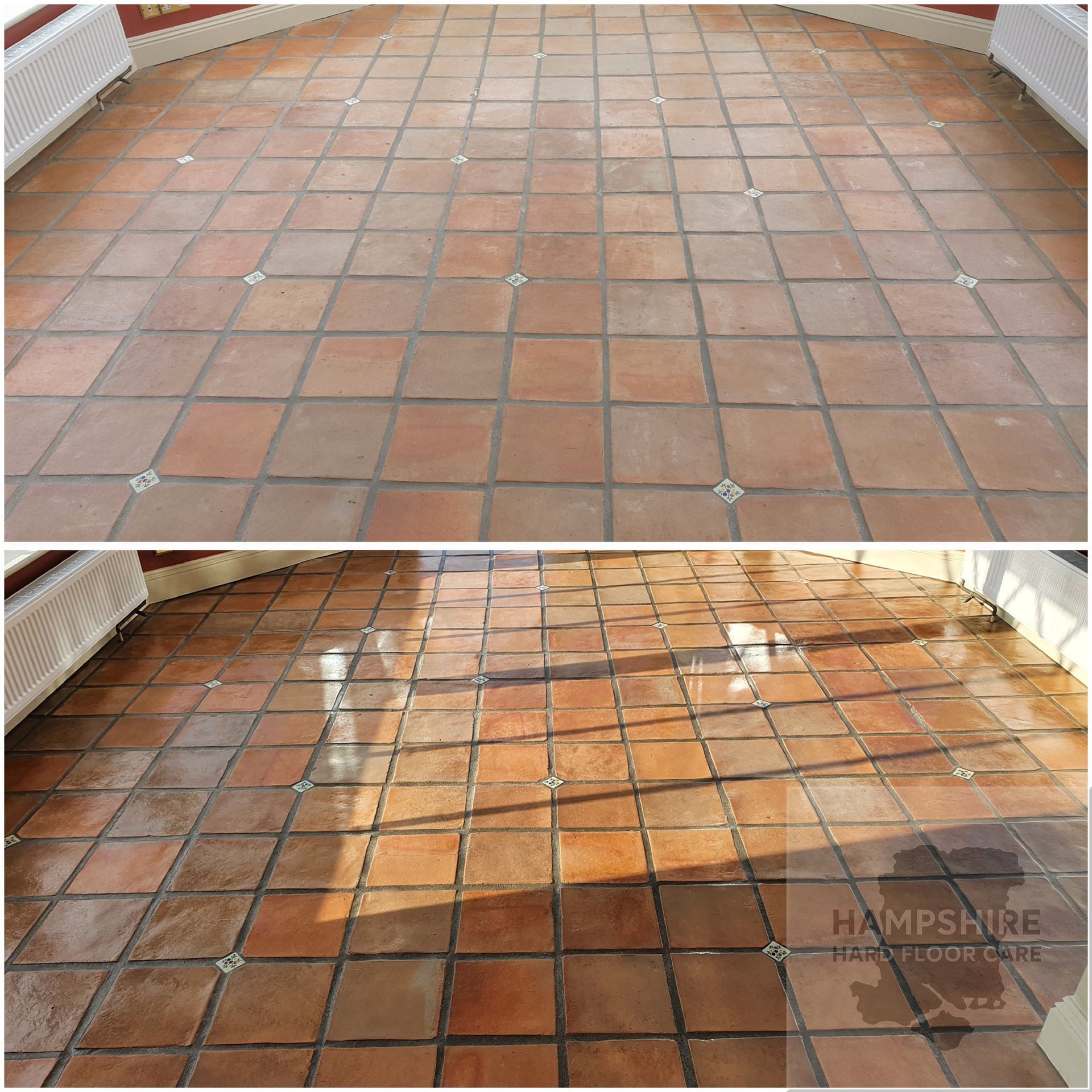
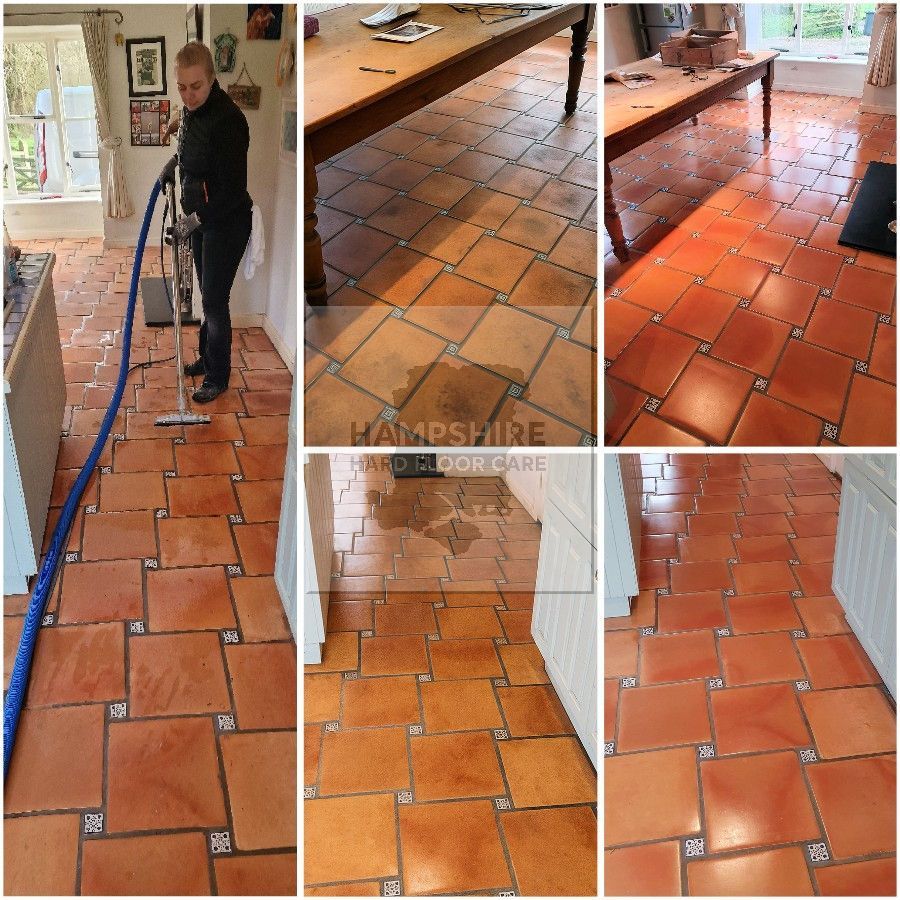
The result is a warm, beautifully revitalised Terracotta floor that retains its handmade charm and heritage while being protected for years to come.
Trusted Experts in Stone Floor Care in Hampshire
Our Terracotta Cleaning & Restoration Process
At Hampshire Hard Floor Care, we use a safe, proven, and carefully controlled process to clean, restore, and protect your Terracotta floors — removing years of deep-set soil, wax build-up, and old sealers while preserving the warm, natural character of the clay.
1. Initial Inspection & Testing
We begin by assessing the floor to identify the type of Terracotta (handmade, machine-made, or imported such as Spanish/Mexican/Saltillo), its porosity, existing coatings, and any areas of wear or darkening.
A small test area is often carried out to determine the safest and most effective cleaning approach.
2. Dry Soil Removal
All surfaces are vacuumed and dry-mopped to remove loose grit, dust, and debris. Terracotta’s textured surface and open pores can hold fine soil, so thorough dry cleaning prevents scratching and improves the effectiveness of wet cleaning.
3. Pre-Treatment
Specialist alkaline, gel-based, or carefully controlled acidic cleaning solutions (safe for Terracotta when used professionally) are applied and allowed to dwell.
These products break down:
- Deeply embedded soil
- Wax residues
- Old sealers
- Surface contamination
- Dark patches caused by absorbed dirt
This stage prepares the clay for safe restoration.
4. Agitation
The solution is mechanically agitated using rotary or planetary machines fitted with soft to medium brushes suitable for Terracotta.
This process lifts soil from:
- The pores of the clay
- Textured surfaces
- Grout lines
- Handmade and uneven tiles
Agitation is always controlled to avoid damaging the clay.
5. Rinsing & Extraction
Contaminated slurry is rinsed and extracted using controlled water and vacuum systems.
We use professional stone-rinsing equipment to ensure:
- Complete removal of old residues
- No overwetting (crucial for Terracotta)
- A clean, balanced surface ready for neutralising
6. Neutralising & pH Correction
After cleaning — especially when acidic products have been used — the floor is fully neutralised to restore the correct pH and stabilise the clay.
This step prevents patchiness, salt migration, and ensures perfect sealer adhesion.
7. Drying
Terracotta is highly absorbent, so correct drying is essential.
We use professional air movers to accelerate evaporation and ensure the tiles are fully dry before sealing. This prevents dark patches and ensures even sealer penetration.
8. Sealing & Protection
Once completely dry, a professional-grade penetrating impregnating sealer is applied to protect the tiles and grout from water, oils, and everyday spills.
Depending on the desired look, we can apply:
- Natural matt finish
- Satin finish
- Colour-enhancing or antique-style finish
- Traditional wax finish (where suitable)
We only use trusted professional brands that offer deep penetration and long-lasting protection.
9. Final Inspection & Aftercare Advice
The restored Terracotta is inspected under good lighting to ensure an even, beautiful result.
We provide tailored aftercare guidance, including:
- Recommended pH-neutral cleaners
- Do’s and don’ts for Terracotta maintenance
- Advice on ongoing care and future resealing intervals
This ensures your Terracotta continues to look warm, clean, and full of character for years to come.
Why We Avoid Using High-Pressure Systems on Stone Floors
At Hampshire Hard Floor Care, we often get asked why we don’t use high-pressure rotary tools such as the HydraMaster SX-15 for cleaning natural stone floors. While the SX-15 is an excellent system for external hard surfaces and ceramic or porcelain tile, it is not suitable for delicate or polished natural stone.
How the SX-15 Works
The SX-15 works by spraying water at pressures of up to 2,500 psi and recovering it through a vacuum system. This high energy action can quickly remove heavy soil from textured tiles and grout, so whilst this method may be quicker it also introduces several risks when used on natural stone.
Risks to Natural Stone
· Surface Damage – The powerful jets can erode or scratch soft stones like limestone, travertine, and marble, dulling their polished finish or leaving visible swirl marks.
· Grout Blow-Out – Older or porous grout joints can be loosened or completely blown out under pressure.
· Water Ingress – High pressure can drive water deep into the stone or subfloor, leading to efflorescence, dark patches, or long-term moisture problems.
· Uneven Cleaning – The spinning jets can leave circular patterns on polished or honed finishes if moved too fast.
Our Preferred Method
We use low-moisture rotary or planetary machines with controlled cleaning chemistry designed for stone. This method gently loosens soiling while maintaining full control over pressure, temperature, and moisture levels. It ensures:
- No risk of etching or erosion.
- Even, consistent results.
- Faster drying times.
- Complete safety for surrounding finishes and furnishings.
Our approach aligns with the National Carpet Cleaners Association (NCCA) who represent
professional cleaning and restoration technicians
across multiple surfaces including internal stone floors and IICRC recommendations for stone care, as well as manufacturer & supplier guidelines from companies such as
Marshalls and
Building Transformation who advise against using high-pressure systems on interior natural stone.
In summary: High-pressure tools like the SX-15 are superb for commercial situations, but they are too aggressive for interior natural stone restoration. Our specialist stone cleaning systems achieve deep cleaning safely — without risking permanent damage.
.
Restore Your Stone Floors to Perfection
Don’t settle for dull, stained stone—let Hampshire Hard Floor Care bring back the wow factor to your home or business. Contact Richard and Michelle today for a free consultation.
Call Richard for free quotation
Hampshire Hard Floor Care
Based in Hampshire also serving surrounding areas
Phone
01489600571 / 07773655075